| |
AMENSOREA
IMAGE Link
RARITY Very Rare
LOCATION More commonly found in Murkwell Hollow, but known to stray into Olympia proper at times in order to seek out prey.
TEMPERAMENT Generally harmless, except as further detailed below.
REPORT Submitted by Archer
Normally fairly small, ranging from 2 to 3 inches... can grow to as large as a foot (or possibly more) depending on circumstances.
Empathic creatures, part insect and part reptile, they are specifically drawn to feelings of guilt and regret. Once they identify a target, their size grows according to the amount of guilt/regret the individual feels. In order to reset its own size and sustain itself, the amensorea attacks its victim with its stinger, injecting it with a powerful toxin that produces a powerful compulsion in its target to confess the reason for their guilt to others. Once that has occurred, the amensorea returns to its normal size until locating another target. Agile and well armored creatures, avoiding them is nearly impossible once they begin their attack. |
| |
ARACHE
IMAGE Link
RARITY Common
LOCATION Outposts.
TEMPERAMENT Hostile.
REPORT Submitted by Olympia.
A creature known for mimicking voices, even ones they haven't heard. They weasel their way into your subconscious and pick out voices from your memories, luring their victims deeper into the strange woods with the voices of their loved ones. Sometimes, it's a cry for help; other times, it's a replay of a striking memory. Once its victim steps into its large, barely-visible web, the Arache will store them or start its feast. |
| |
AVALERION
IMAGE Link
RARITY Rare
LOCATION In the deep woods of the Outlook. They tend to build nest in the tallest trees.
TEMPERAMENT Easily startled and easily angered, these creatures are natural predators with fierce tempers, therefore approaching them is inadvisable. The mothers are twice as protective of their nests, and will attack anyone they see as a threat. There have been exceptions to the rule, but they're few and far between.
REPORT Submitted by Edmond Pevensie
Avelarions are very large birds with long, flat wings and a rather large wingspan (about 7-8 feet). They have sharp beaks that curve downward, and a distinctive crown of bright red and orange feathers on its head and brilliant red eyes. The red feathers are reflective, and from afar, they look like dancing flames when moving and flying through the sky. Their eggs — silver with fiery red and orange streaks that glow similarly — are highly sought after and treated as special delicacies, more so because of the novelty of a glowing egg than the taste of it (it just tastes like egg). Because the birds themselves are hostile, the eggs can only be taken whenever the parents leave the nest. |
| |
BERRIGONS
IMAGE Link
RARITY Common
LOCATION Nearing, and on the outskirts of the West Outpost.
TEMPERAMENT Temperaments vary. A Berrigon for a sweeter type of berry will be sweeter, one for a sour/tart kind of berry might be a little nasty. None of them are exceptionally friendly or will approach people, but you're less likely to get bit by a Berrigon with sweet berry attributes than one that's bitter or even poisonous.
REPORT Submitted by Amaterasu
Berrigons are tiny dragons ranging in sizes as small as a honey bee and not getting any larger than something like a lunar moth. There is a Berrigon variety for every type of possible berry plant in El Nysa, and they have characteristics similar to the berry plants they hang around. From shiny compact black scales like black berry bumps to being red and smooth like buffaloberries—it all depends. For every one of them, spines and wings are leaves, and they're extremely delicate. Unlike ordinary dragons, Berrigons cannot breathe fire, but some of them do have pretty mean bites. They're not poisonous like some berries, but Berrigons for poison berry plants are immune, and the only one of their kind that are. They're pollinators, and also eat away any pests or parasites on berry bushes or briars. Their eggs are about the same size as fish eggs, and are clustered together in much the same way. Although rare, one might find Berrigon eggs hanging off berry bush branches not unlike a heap of berries themselves. If you mess with the eggs, you might get attacked by a swarm. |
| |
CACOPHOSAURUS
IMAGE Link
RARITY Rare
LOCATION Murkwell Hollow
TEMPERAMENT Harmless unless provoked.
REPORT Submitted by Prompto Argentum
Small, bipedal lizards slightly larger than a housecat. These creatures are carnivorous predators to smaller animals in the area, but are reclusive and nocturnal. Their plumage is used to scare off larger animals and protect it from being eaten itself, because while they appear fluffy and soft, their feathers are razor-sharp and make a horrendous noise like screeching metal when they're fanned out. However, when at rest or in heat, their feathers create a pleasant music, much like the sound of violins playing. Because of the unique quality of their feathers, they can be hunted and sold for a considerable profit. But be careful - their bite is venomous! While other animals in the area seem able to prey on it, humans who are bitten by or eat these creatures will find themselves seriously ill for the next several days. Those affected will especially find themselves sensitive to loud noises, but will also have difficulty hearing others speak. |
| |
CAROBIN
IMAGE Link
RARITY Common
LOCATION Scattered in Olympia as well as the outposts.
TEMPERAMENTFairly docile. There are those who have tamed carobins as hatchlings, though it's rare to find them in pet shops.
REPORT Submitted by Mai
Carobins generally prefer nesting in high places and so can often be found near the tops of high buildings or tall trees. It makes them seem a little more uncommon than they honestly are simply because they tend to keep themselves so high up. Carobins are easier to spot in the mornings when they go hunting for their daily meals, showing a preference for both seeds as well as insects and rodents. They are about the size of a cat and often remain in family flocks that nest in particular areas for generations. |
| |
CINJAW
IMAGE Link
RARITY Common
LOCATION Outside of Olympia.
TEMPERAMENT Harmless and lazy.
REPORT Submitted by Olympia.
Domestic animals kept by local farmers in the outskirts of Olympia. These guys are just really, really lazy. Too lazy to care about things like passing on their genes. Honestly, if it weren't for the efforts of humans and the fact that their meat is too delicious for the Olympians to allow these creatures to go extinct, they would have been wiped out years ago.
Stay too long near the herd, and you will begin to feel extremely lethargic yourself. Nothing sounds better than using the person next to you as a pillow for your nap, or dropping everything you're doing to go sleep in that hay. Hopefully someone finds you and is kind enough to wake you up. After spraying the aphrodisiac, you won't want to stick around. They are loud: loud enough to damage hearing without proper ear protection. Now you know why those farmers walk around with ear plugs. |
| |
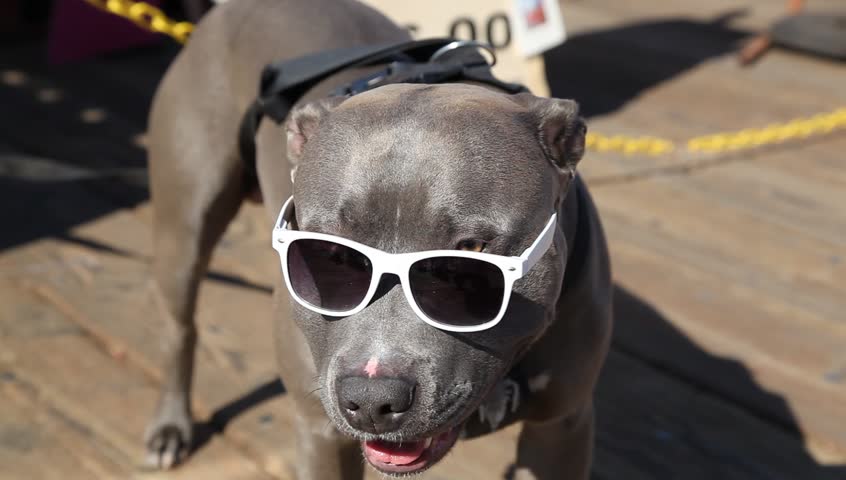
COOL DOG
IMAGE Link
RARITY Extremely Rare
LOCATION Olympia
TEMPERAMENT Chill.
REPORT Submitted by Magnus Burnsides
It is a dog wearing sunglasses. This may or may not actually be a unique species of animal, but Magnus did photograph it and turn it in to Lysa. |
| |
DITZ MOTH
IMAGE Link
RARITY Common
LOCATION The surrounding forest of the Outpost.
TEMPERAMENT Harmless but skittish.
REPORT Submitted by Olympia.
As large as a rabbit that is relatively easy to kill, Ditz Moths leave an awful scent on you the moment they flee. Be sure to mask this scent immediately, whether by covering yourself in fresh flowers or soaking in river water for an hour, because it's been known to cause extreme confusion. You'll end up dizzy, you'll confuse your friends for enemies, or enemies as loved ones. |
| |
FAVA
IMAGE Link
RARITY Very rare.
LOCATION Near the water between The Outpost and the mainland.
TEMPERAMENT Harmless completely, and skittish. If you're extremely lucky you could possibly befriend one, but it's rare! They just want to be left alone.
REPORT Submitted by Gaelio Bauduin
Extremely rare, these are tiny pink reptilian creatures. Like a mighty dragon, they have a breath of...! A sleeping agent. It seems like that is this creature's main defense, and because they can cause anyone to fall into a peaceful, full night slumber, they're sought out for medicinal purposes... and also just because they're cute. They're very passive creatures, scared of almost everything around them, and spend most of their time around rivers where they make up small nests to hoard their extensive shiny collection. |
| |
GUBBINS
IMAGE Link
RARITY Common
LOCATION The outskirts of outposts! These creatures are notorious for woodland areas, but they're known not for gathering outside of outposts due to their high level of travelers.
TEMPERAMENT Friendly, but hostile only when not provided food, treasures, and gifts.
REPORT Submitted by Ann Takamaki
Gubbins are small creatures no larger than a small dog. Their coats were once fetched for a high price, but as they began to populate in mass, the rarity of their coats went down. Gubbins have began to gather around outposts and became nearly domesticated due to their need to beg, hoard, and plead for various items. They are absolute moochers. Gubbins have sticky fingers and are known for stealing anything shiny if not secure. They nest in tall trees with various treasures stolen from poor travelers. Their invasive nature and high population make them common to find. They have no magical properties and are related to the Sepht — although far more social. |
| |
HERO'S HART
IMAGE Link
RARITY Very rare
LOCATION Often scattered about Olympia but stick to the forests.
TEMPERAMENT Harmless until provoked. Can be friendly if the proper etiquette is shown.
REPORT Submitted by Senren Lavellan
Considered to be quite very rare due to the poaching of these creatures. A Hero's Hart stands as big as a war horse. It's pelt and horns sell high in the black market due to it being currently outlawed to hunt an endangered creature. Hero's Harts have an aura about them, those that they are positively inclined towards (Friends) will find they are made to feel a sense of courage, while those they dislike (enemies) will be repelled and sickened by. They are quite fast which make hunting them difficult even for a hunting party on horses for they can outrun any horse. Those capable of befriending a Hero's Hart will find that the creature will allow them to ride it. There are many stories about heroes who go off into battle riding these creatures as they are seen as sign of good. |
| |
LILN
IMAGE Link
RARITY Common
LOCATION Olympia, on sunny days in areas with plenty of flowers.
TEMPERAMENT Liln are generally uninterested in other species, and prefer to mind their own business nestled inside flowers. Though they have been known to be rather whimsical and playful toward passerbys if the mood strikes them, they generally spend most of their time sunbathing.
REPORT Submitted by Jean-Jacques Leroy
Barely the size of a fingernail, Liln are generally difficult to find and even harder to spot as they hide among flowerbeds. Fairly docile creatures, they are easy to trap once they are located, and highly alluring due to their vibrant colours. Once exposed to a host, either by that host absentmindedly brushing against them or through purposeful capture, Liln reveal their more playful and artistic side by melting seamlessly into the skin of whoever dares to disturb them. This process is largely harmless (though there are some people who are allergic to these creatures!), and results only in the Liln spreading colour across the skin to produce vivid tattoos. And while these tattoos can be purely aesthetic, they can also be revealing of their hosts' emotions and secrets, and can constantly move and change, or remain static. Given the harmless nature of the Liln's invasion, there is no real medicine or potion to seperate them from a host, though they can be driven out by ingesting toxins such as alcohol or nicotine. Otherwise, they will simply take their leave whenever the mood strikes them. |
| |
LUCEATIA
IMAGE Link
RARITY Common
LOCATION The woods near The Outlook.
TEMPERAMENT Harmless and friendly when encountered but can become hostile when threatened.
REPORT Submitted by Clarke Griffin
The Luceatia are friendly creatures by nature with a bright glow that makes them stand out from other animals. They frequent the woods normally gathering near the water sources or the plants to feed on insects in small groups, their glow becomes more prominent in the night time and they are known to change colours with the weather often being to predict storms and determine other weather patterns that occur in Olympia. If threatened or attacked they gather in swarms and attack the intruder using the bright glow from their wings to blind them for a few minutes but it can last as long as a day if there is greater exposure. |
| |
MARSH BEAR
IMAGE Link
RARITY Rare
LOCATION Murkwell Hollow
TEMPERAMENT Dangerous, but will generally keep its distance unless provoked. However, if it has cubs nearby or if you happen to come near its den, it is very hostile.
REPORT Submitted by Magnus Burnsides
The size of a large grizzly bear, with fur that ranges from greys to inky black. It is active in marshes of Murkwell Hollow and the surrounding areas at night. It tends to build itself dens and caves in swampy areas. It is primarily a scavenger, but in lean times is known to hunt prey animals, livestock, and occasionally will even pick off humans that are traveling alone or are lost or injured. The bear has fire magic, but not enough to create flames; instead, the magic keeps its body temperature running hot at all times, letting it remain in the water for long periods. On cold nights, or when swimming, it emits steam from its thick fur. It is able to breathe smoke, allowing it to camouflage itself in the fog of the swamp, and also as a defense against enemies. The bear is shy and will seldom approach humans if it is not hunting, but travelers are warned to avoid any densely fogged areas, because wandering near the bear's den can be deadly. |
| |
MINNU
IMAGE Link
RARITY Uncommon
LOCATION Outposts, with some feral colonies within Olympia.
TEMPERAMENT Strangely feline. Cautious and defensive, but will typically not attack if not provoked.
REPORT Submitted by Yusuke Kitagawa
Aloof and wary creatures that typically live in or around wooded areas, minnus drive off threats by releasing a musk that addles the mind; those that linger too long in their territory either begin lapsing into intensely vivid recollections or losing memories entirely, both long and short-term (to note: this is a temporary side effect and can be cured with bedrest and time). Stories tell of unlucky travelers that have lost entire days in reverie, stumbling about aimlessly until they either leave the minnus' lands, or until someone crosses their path to wake them. Though anyone may be affected, introspective and self-reflective types are often hit harder by these effects.
Domesticated variants—such as the ones within Olympia proper—produce much less of this chemical, but anyone who sleeps in the same vicinity as a minnu (wild or tamed) should expect a night full of dreams—ones that are often mysteriously shared and linked between anyone nearby. Feral minnus have learned to scavenge around Olympia, and will often visit the houses of anyone who leaves them food (or leaves their meals unguarded).
Minnus vocalize in chirps; their songs somehow always sounds nostalgic. |
| |
NIAOHUA
IMAGE Link
RARITY Uncommon
LOCATION Along the Shallower Marshlands of Murkwell Hollow, especially in warmer waters where the steam tends to rise.
TEMPERAMENT Harmless when alone, hostile when in swarms
REPORT Submitted by Genjo Sanzo
Don't let these little furry creatures fool you! These cute little lightly feathered amphibians may seem harmless and quite adorable at first glance, but when gathered in large swarms they are a force to be reckoned with! They are small but move quite quickly and are capable of leaping at great lengths. But each of those tiny mouths carry rows of jagged sharp teeth and an extendable tongue that secretes a mild poison upon whatever it attaches to. In small portions the poison doesn't do much, but is quite potent in large quantities. It causes the muscular system to stiffen and the cells in the circulatory tract to swell, leaving the prey unable to move. May provide medicinal benefits if more research is put into it? Will attempt to obtain a single live sample later. They are carnivorous but seem to survive on a more scavenger based lifestyle unless some unlucky creature ends up caught among a large group of them. |
| |
OOM
IMAGE Link
RARITY Uncommon
LOCATION The forested areas along the West Olympian coast, including The Outlook, Flona Cove, and the Edrathe Ruins, being more prevalent in areas with more insects and fewer people.
TEMPERAMENT Harmless unless touched.
REPORT Submitted by Angela Ziegler
With heads about the size of an adult human fist, they placidly float along on breezes and air currents, trailing behind them a jumble of tentacles which can reach up to a meter in length. With this veritable net they trap a variety of insects and airborne pests which they consume as their main form of sustenance. Contained within this mass is also what keeps most predators at bay: their stingers contain a potent venom which can render even larger mammals fully paralysed with a small dose. Slightly larger doses will lead to seizures and, possibly, death. It is imperative that if someone gets brushed by one of this animal's stingers, they make sure to remove it from them immediately, as the stingers will break off and try to bury into the victim's skin. This animal produces via asexual reproduction, and observing them in considered a fun recreational hobby for people looking for something a bit more dangerous and sexy than birdwatching. They are potentially of high value for the venom which make them so deadly; it is possible that broken stingers can easily be 'milked' for venom, allowing for easy study of its toxins, potentially providing a basis for new medicines. In general these animals travel in groups of two-four and come in a variety of vibrant gem shades. This bold colouration is to warn away potential predators. |
| |
PUOX
IMAGE Link
RARITY Common
LOCATION Murkwell Hollow
TEMPERAMENT Puox are scavengers, and so are generally skittish around most other creatures. If forced to defend themselves, they will react violently (using their sharp teeth and claws), but their instinct is definitely more flight than fight.
REPORT Submitted by Lance
Puox are typically the size of a large rat or guinea pig, but can grow up to the size of a raccoon. If left to their own, they can live for as long as seventy years. the "bones" protruding from their backs look ominous, but they are entirely for camouflage purposes, meant to blend in with the piles of bones and skulls left behind Murkwell Hollow, where they are most commonly found. The number of spikes on their back can be used to determine their age. Puox will eat just about anything, but prefer the leftover bits of deceased animals, and have even been known to feed on the bodies of their own kind. |
| |
QUICLIC
IMAGE Link
RARITY Common
LOCATION In the woods around Olympia, and can also be found in the woodsy areas of the Outlook and between.
TEMPERAMENT Completely harmless, but disinterested in other creatures. It will only respond to other creatures if it perceives a predatory threat, at which point it will just leave. If it isn't threatened, it will go about its business and let other creatures get pretty dang close.
REPORT Submitted by Junpei Tenmyouji
It looks like a black and white ladybug, but it's bigger. On average the size varies between 6-12 inches long for an adult. As young adults they have wings like actual ladybugs, but these become vestigial as they grow in size simply because they don't continue growing to support the creature's weight. There aren't any giant ladybugs flying around, basically. They are harmless and fairly common, and spend most of their adult lives crawling around the forest floor/up into the trees to feed on grass and moss, making them effectively natural Roombas... While they look like ladybugs, upon closer inspection their bodies more closely resemble crustaceans, meaning their spotted shells are thicker and due to their cute patterns, occasionally a popular fashion statement (but not popular enough to be hunted regularly). They don't live exceptionally long, only a few years, but sometimes they can outlive this life expectancy and keep growing, meaning one might encounter a ladybug-crab-creature that's about knee high very rarely. The shells are more valuable whole than broken, and sometimes are made into, well, bowls. |
| |
SEPHT
IMAGE Link
RARITY Uncommon
LOCATION Edrathe Ruins.
TEMPERAMENT Skittish and shy.
REPORT Submitted by Olympia.
Both shy and antisocial, it's no wonder these little marsupials don't have much luck in the mating department. They prefer to live in isolation, and are much more concerned with hoarding everything they can get their hands on. This includes stealing anything you may have brought with you. As a warning, they are incredibly strong. They can also fly, so good luck catching them after they've made off with your stuff. Let's hope you can get back that magical sword or enchanted necklace of yours.
Once you have sprayed the chemical in their habitat, do not stick around the area. Despite being more suggestible to mate now, they are shy to the core, and will not come out of hiding until they are sure the coast is clear. |
| |
SLEACHON
IMAGE Link
RARITY Common
LOCATION Wooded areas around Olympia; occasionally ventures into the city.
TEMPERAMENT Friendly, but unintentionally harmful.
REPORT Submitted by Wynonna Earp
An egg-laying, amphibious creature, the sleachon begins life as something like a water slug and ends it eighteen inches long, half of which is tail, with six limbs and a fuzzy back. Sleachons’ main food source is insects, but those that wander into populated areas will help themselves to food stores. They are curious, nimble, and not very skittish; they may climb people and try to pick bugs out of their hair. Unfortunately, their skin secretes a substance that causes paranoia/fear in low doses and flashbacks or hallucinations in high ones, so prolonged contact is inadvisable. |
| |
SOUNDLESS
IMAGE Link
RARITY Uncommon
LOCATION Murkwell Hollow.
TEMPERAMENT Physically harmless, but they will steal your voice. Otherwise shy and prefers to stay hidden.
REPORT Submitted by Chuuya Nakahara
The biggest feature of the Soundless is their ability to travel through terrains completely undetected, making virtually no sound as they move from branch to branch. This, coupled with their tree-like appearance, makes them almost impossible to spot out in the wild. The second biggest feature of this creature is their ... penchant for pretty voices. With no ability to vocalize on their own, the Soundless steals the voices of other creatures and uses it to communicate, find a mate and ward off potential predators. They stay up in the trees waiting for an unsuspecting victim to step into their radius, and once close enough, they activate a special power that robs their victim of their voice. They then slink back into the foliage, sometimes leaving their victims mute for the rest of their lives. The only way for a person to get their voice back is to track the Soundless that stole it and kill them or persuade them with some food. Tracking them isn't as difficult as one might think; they will be speaking in their victim's voice. Once a Soundless has stolen someone's voice, they tend to flaunt it, talking in largely nonsensical sentences and using words most often used by the voice's previous owner. The easiest way to attract a Soundless is to sing in the woods. They love a beautiful voice. With the right amount of patience and persuasion, a Soundless can be convinced to become a pet -- if their owner doesn't mind occasionally losing their voice. |
| |
STARBUNCLE
IMAGE Link
RARITY Uncommon to rare. They live in small colonies and are very shy.
LOCATION Found deep in forests, away from populated civilizations.
TEMPERAMENT This is a predator species, but hunts only small mammals and insects, so it is more like to flee when encountered, and may only fight if cornered. Even then, more likely to freeze.
REPORT Submitted by Alisaie Leveilleur
Small mammal, largest males around 30lbs, smallest females 20-22. Males are a greenish blue hue, while females are the violet blue hue seen in the picture, but otherwise save for minor size differences they are identical. These creatures have no special power, but they are bioluminescent, drawing prey to them with their dappled starry tails which they wiggle and wave to lure insects and small animals.
|
| |
TRIFLIN
IMAGE Link
RARITY Uncommon
LOCATION The Lagoon of the Outlook
TEMPERAMENT Harmless unless provoked, though it only becomes more aggressive by way of flailing and splashing around.
REPORT Submitted by Keiji Maeda
A fishlike creature that is relatively low on the aquatic food chain with a diet of aquatic insects. It swims in slow circular patterns that are emphasized by the movement of its three reflective tails, which are thin but sturdy. This is how it communicates to fellow schoolmates (groups of 4-6) and monitors water currents. Disturbances in the current cause it to behave in a more frenzied, agitated state to fight off threats or confuse them. Triflin themselves are not very delicious unless fried into a delicate, crispy snack. Preserved and dried tails have a captivating sparkle for lures and decorations, but the Institute is more interested in its potential for developing water-monitoring instruments. |
| |
UNLUCKY CAT
IMAGE Link
RARITY Very rare
LOCATION Olympia, within the city limits!
TEMPERAMENT Mostly harmless.
REPORT Submitted by Dylas
The Unlucky Cats resemble a normal cat, but they are always black in color from tail to face and lack any color in their eyes to instead sport grey irises and black pupils. They never stay in one place for long, and they never settle down with an owner. At first glance, they might seem like normal cats, but many rumors surround them. Anyone investigating them will notice that these cats have powers. At their simplest, they can make small objects hover and come towards them or freeze small prey. At their strongest, they can cause ‘incidents’ nearby, altering the environment in ways that seem like accidents. Examples of this behavior range from causing mirrors to shatter, causing ladders to fall over unprompted, or leaving a trail of items falling from windowsills as they walk. They vanish into the shadows just as quickly as they act, leaving some wondering if they exist at all.
|
| |
VILELING
IMAGE Link
RARITY Rare
LOCATION Murkwell Hollow, specifically near the marshes.
TEMPERAMENT Actively hostile — predatory and territorial.
REPORT Submitted by Clary Fray
Vileling's are rather long in length (around 15 feet long) and lurk within swampy areas and marshlands, specifically beneath the waters and within damp or underwater caverns where they care for their eggs. In appearance, they resemble a mixture of a slug and a insect, protected by a hard, armor-like carapace around their abdomen. While they have multiple sets of sharp fangs, the Vileling prefers to strike prey with venomous claws, all with the intent to paralyze its prey. The venom itself is extremely dangerous, rendering prey immobile in a matter of minutes, and the toxins in the Vileling's blood will burn through skin, clothing, and weapons alike if it comes into contact with any of the aforementioned (which, of course, makes them inedible; don't try it). They do have a very obvious weakness: Vileling's are blind, have no sense of smell, and rely on auditory senses only to locate their prey. The good news is that they're rare/endangered as a result of hostility amongst themselves. Vileling's are solitary creatures that have loyalty only to themselves and will attack any creature that invades their territory, even their own kind. |
| |
VENUVIAN
IMAGE Link
RARITY Rare
LOCATION In ponds in the forested areas surrounding Olympia.
TEMPERAMENT Non-hostile to larger animals (including humans and other humanoids, unless they happen to be small enough to look like a possible meal). May bite or claw if provoked but more likely to retreat into water or its shell for safety.
REPORT Submitted by Rose Lalonde
A carnivorous species that feeds on insects and smaller animals, the venuvian moves too slowly to hunt its prey traditionally. Instead, it ingests water from the ponds where it makes its home and processes it within its throat-sac into a colorless aphrodisiac, which it then regurgitates back into its pond. Diluted in the pond water, the aphrodisiac attracts other creatures with its scent. Ingesting it induces a contented, fearless state, as well as an instinct to mate. The venuvian then feeds on the abundant prey population at its leisure, whose flight instincts have been dulled enough that no chase is required at all. The aphrodisiac itself is very potent in its purest form, straight from the creatures' mouths or throat-sacs. It's most commonly found already diluted in their native ponds, however, where the effect on larger creatures like humans is far more mild. The one exception to this is mating season for the venuvian. Typically a solitary creature, guarding its territory fiercely from others of its own kind that might infringe on its feeding grounds, during mating season all venuvian migrate back to the secluded waters they were born from. There, a great many gather to mate and lay their eggs. During the time, the waters in that particular pond are so heavily flooded with their combined aphrodisiacs that it becomes a frenzied breeding ground of all small animals and insects lured in, and a mouthful is enough to heavily effect even larger creatures. |
| |
VLIX
IMAGE Link
RARITY Uncommon
LOCATION In the channel between the Outlook and the mainland.
TEMPERAMENT Ranges from dangerously curious to actively hostile
REPORT Submitted by Remus Lupin
Vlix are approximately 6' long at maturity and travel in coordinated packs of 5-8, though larger ones in bigger packs may exist out in open water. They're underhanded scavengers who will feed on corpses whenever possible, but in the absence of dead food, they are capable of banding together to attack something living—in which case they prefer easy kills, such as creatures that are already injured and bleeding or those that are obviously alone. They may approach unfamiliar creatures non-aggressively just to see what they are, then attack upon deciding they're easy prey. They can bite and inflict blunt trauma with their beaks, but they're more likely to work together to wind around living prey and try to drown it. They're not very meaty, but what meat they do have is edible, and their hides are smooth from all directions at all times and thus worth a bit of money to leather crafters. |
| |
WILL-O-WHISPS
IMAGE Link
RARITY Rare
LOCATION Any forested area.
TEMPERAMENT They show no particular interest in other beings, so neutral, but the effects they can have when someone is close to them can be dangerous.
REPORT Submitted by Soldier 76
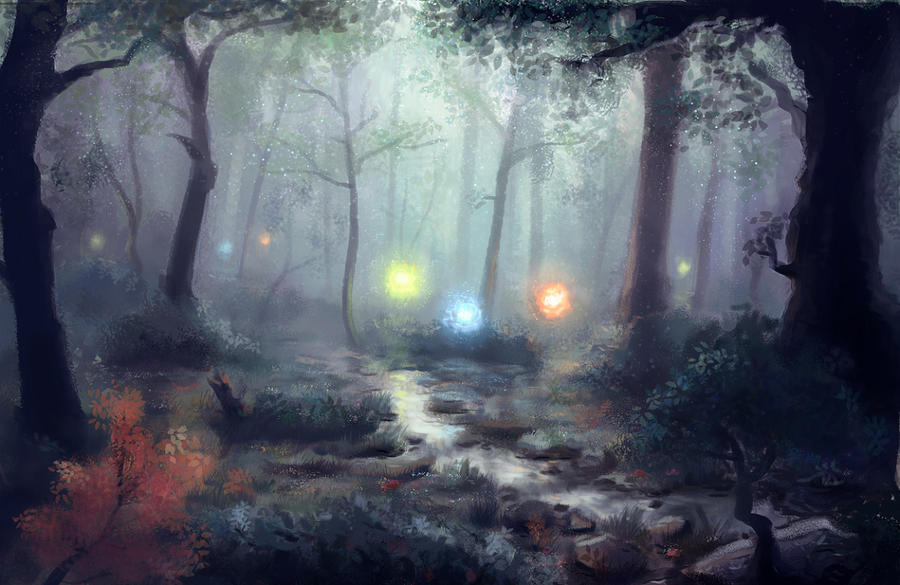
The Will-o-Wisps are generally found deep in the woods, and at first glance some might think them to be fireflies. They are bright spots of colored light that flit around, usually gathering in groups of three or four. They're pretty and soothing to be around, but get too close to them and those calming effects can become dangerous. The Will-o-Wisps can captivate a person to the point that they will follow the tinkling lights anywhere they travel through the woods, which can lead to getting hopelessly lost if you're not familiar with the area. Were someone able to somehow keep their head about them enough to trap one in a jar, word is that a merchant would pay a high price for it. |
| |
WISPURR
IMAGE Link
RARITY Uncommon
LOCATION Josa Forest
TEMPERAMENT Incredibly shy creatures, wispurr are very hard to get close to. While they can often be seen moving through the trees like flickering flames, they stay far clear of potential threats and are hard to approach.
REPORT Submitted by Peter Parker
Small, partly ethereal cat-like creatures that are usually spotted in the forest after nightfall, though they are said to simply hibernate at night. Wispurr have soft, rather charming murmurs as they float about and land on flowers and branches, and social creatures that they are it often sounds as if they are having whispered conversations. However, they are incredibly easy to frighten, and often seem to completely disappear when a potential threat comes too close. They can be enticed by feeding, though they are difficult to trap seeing as they seem to be able to phase in and out of their physical form. If you do get close to a wispurr, they are fond of being pet, even though they do not have fur or a body; they will vibrate happily despite that fact, which helped to grant their name. |
| |
XLARIX
IMAGE Link
RARITY Uncommon
LOCATION Murkwell Hollow.
TEMPERAMENT Generally harmless; becomes vicious during mating season.
REPORT Submitted by Olympia.
Also commonly referred to as the love bug, Xlarix have an ability to release literal positive energy, making those exposed to it more willing to be friendly and jovial with another. Even the most heated rivals can easily become the closest companions. You may even be tempted to temporarily abandon the request and do something fun with your new best friend. Unfortunately, while many have desired to use its effects in diplomacy, its effects only last a few minutes at best.
Despite their powers to assist others in bridging emotional gaps, they are vicious insects. During mating, they engage in battle, normally losing the lives of both parties before their spawn is even properly produced. This is why they need a little help. Try to break up the fights as much as you can. For the Xlarix, being in each other's presence for long enough will eventually get them to calm down and continue the process. You may get unlucky in the process and end up with an extremely painful sting that requires healing, however. The pain increases with time, and if you allow it to go untreated for more than a day, it will be excruciating, enough that it may be debilitating, for twelve hours before eventually healing on its own. |
|
|
![[personal profile]](https://www.dreamwidth.org/img/silk/identity/user.png)
![[community profile]](https://www.dreamwidth.org/img/silk/identity/community.png)